The Route: Laboni Point to Kalatali, Step by Step
Start where most visitors do, at Laboni Point, the sandy stretch below the Hotel Motel Zone and the Sea Beach Police Box. From the main Laboni access road, walk south with the Bay of Bengal on your right. The hard, dark sand near the waterline is the walking surface; soft dry sand above it will slow you down badly in flip-flops. The first landmark is the cluster of speedboat operators and horse handlers around Laboni, busiest from about 9am. Keep going past them and the beach narrows and quietens within ten minutes.
At a steady pace the full run to Kalatali takes about 40 to 50 minutes, roughly 2.5 to 3 kilometres depending on how far you drift with the tide. On the way you pass the mouth of the small canal that separates Laboni from the Sugandha Point side, then the low dunes behind which the Kalatali high-rise hotels sit. Kalatali itself is a long, straight stretch of sand with far fewer vendors than Laboni. The walk is flat, so it suits almost anyone; the only real hazard is the sun after 10am.
When to Walk and What to Carry
The best months are November to March, when mornings are cool, humidity is low and the sea is calm enough for wading. December and January can bring morning fog that hides the horizon until about 8am, which is atmospheric but poor for photos. April and May are hot and sticky, so start at first light, around 5.30am, when fishermen are still hauling nets near Laboni. The June to September monsoon brings heavy rain, high surf and red-flag swimming bans; walking is still possible between showers, but the beach erodes and the canal crossing can be muddy.
Carry two litres of water per person, a hat and sunscreen. There is very little shade on the sand between Laboni and Kalatali; the casuarina trees behind the dunes are set back from the waterline. Cash in small notes is useful for cha, coconuts and the odd beach photographer. Shoes are better than sandals for the soft upper beach, but most people walk barefoot at the waterline and rinse their feet at the Kalatali access steps. Avoid carrying valuables into the crowd at Laboni Point, and keep an eye on children near the speedboat lanes.
Where to Sleep Along the Route
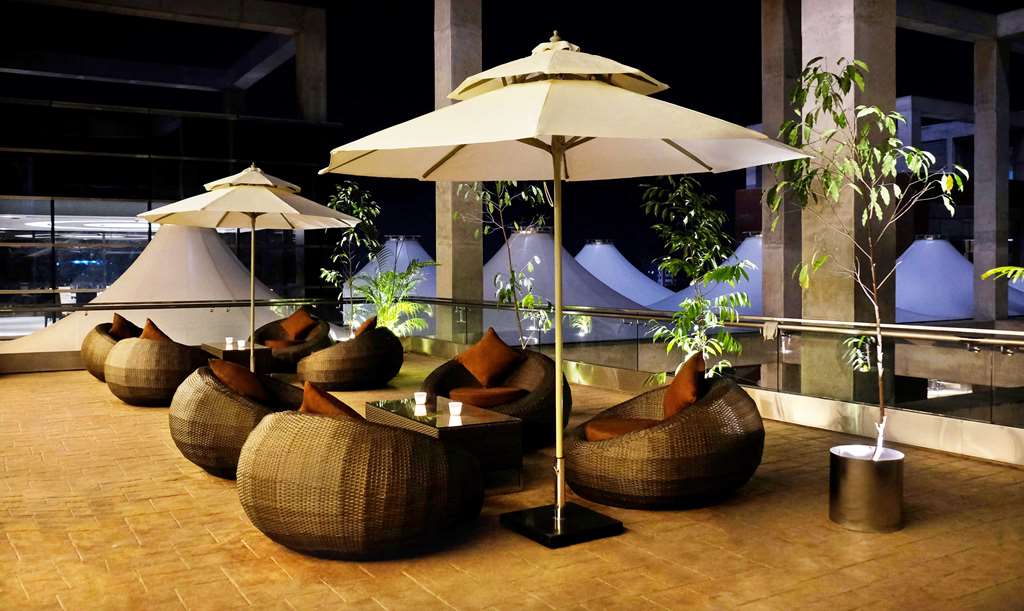
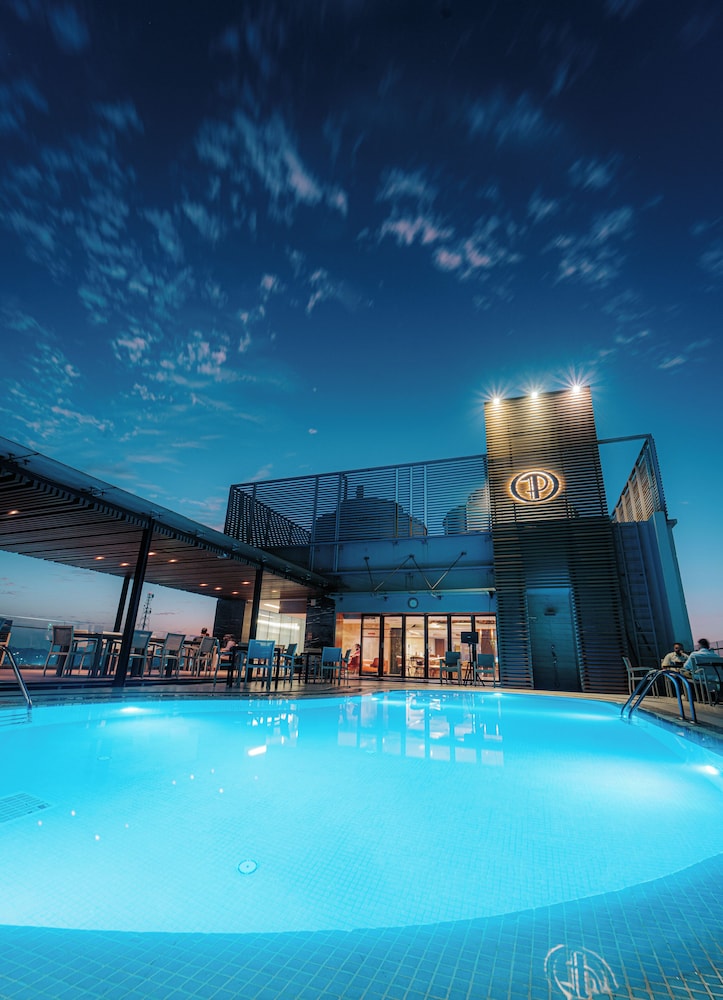
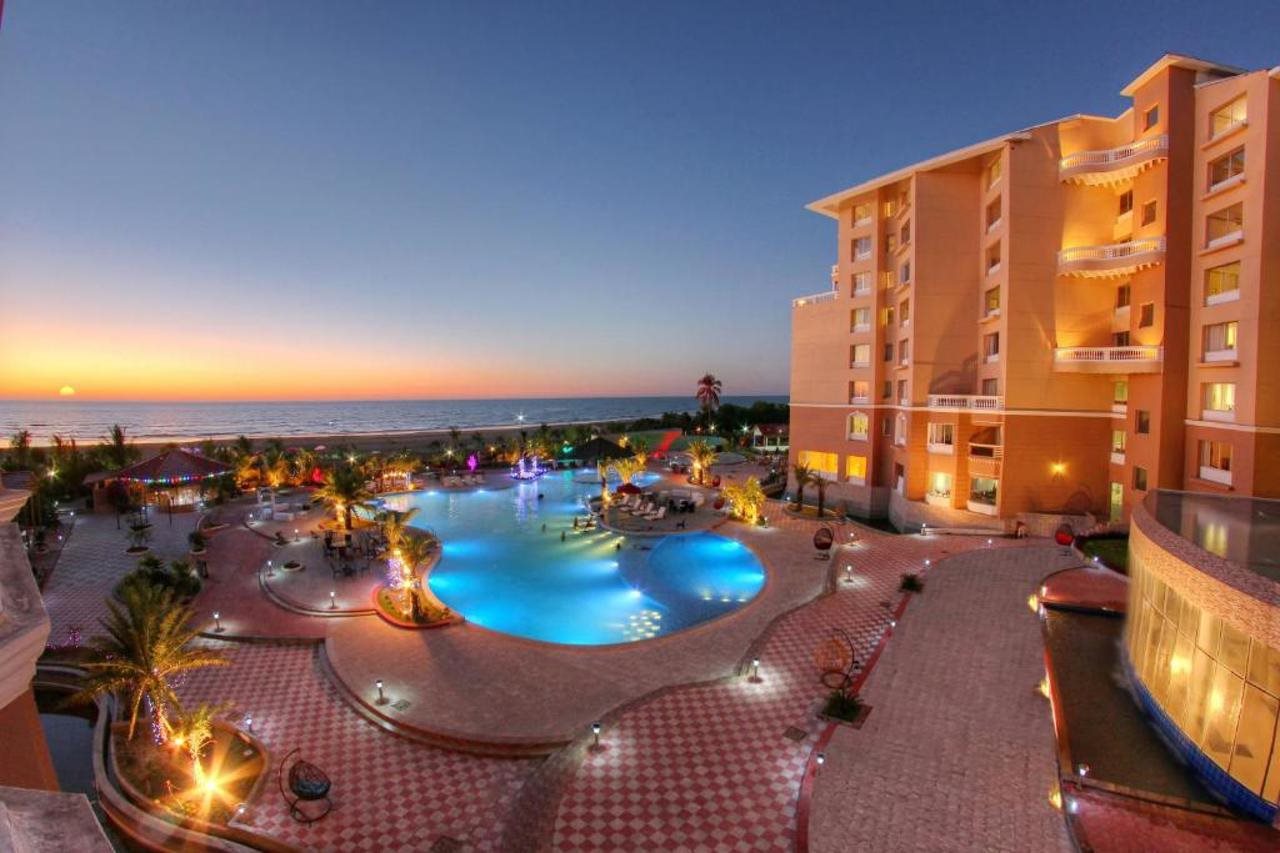
The beachfront is divided into two clear hotel clusters. Laboni has the densest concentration, from simple guesthouses on the back lanes off Hotel Motel Zone Road to mid-range places with sea-facing balconies. Kalatali is quieter and more spread out; its hotels sit behind the dunes on Kalatali Road, a five-minute walk from the sand, with a mix of mid-range and upscale options used heavily by Dhaka families in winter. If you want to be in the middle of the action and walk everywhere, book Laboni; if you want quiet nights and a longer beach stroll, book Kalatali.
For a first trip I would book a sea-view room in Kalatali and walk north to Laboni in the morning rather than the other way round. You get the busy stretch early, before the crowds build, and return to a calmer base. Rooms facing the road are noticeably cheaper than sea-facing ones and often quieter at night, since the beach road carries traffic and honking until late. Book at least two to three weeks ahead for December and January, when Dhaka school holidays fill the seafront. Check whether your hotel has its own access path to the beach; some Kalatali properties are set back behind other buildings.
Eating, Getting There and What to Skip
Breakfast along the route is easy: Laboni has small restaurants serving paratha, dal and dim bhuna from early morning, and Kalatali Road has a handful of cafes that open by 7am. For lunch, the dried fish shops near the Kutubdia Para area behind Laboni are worth a look even if you do not buy. Seafood restaurants cluster around Laboni Point and the Sugandha area; expect to pay more for prawn and lobster than for rupchanda or tilapia, and always confirm the weight and price before cooking. Street food near the beach is cheap but choose stalls with high turnover.
Coming from Dhaka, buses take roughly 9 to 11 hours overnight to the Dolphin and Green Line counters near Kalatali; the town centre is a short CNG ride from either. Cox's Bāzār railway station, on the new line from Chittagong, is about 15 minutes by auto-rickshaw from Laboni. Skip the horse rides on the wet sand at Laboni if you are a beginner; the handlers crowd the waterline and the animals work long hours. Also skip the beach at Himchari on a Friday, when the road south clogs badly; go on a weekday morning instead.
Questions, answered
Hotels in Cox’s Bazar
See all stays →Curated picks are coming — meanwhile, the live search covers every bookable property at the same price or better.