Getting There and the Shape of the Day
Ramu sits about 12 to 16 kilometres inland from Cox's Bāzār town along the Ramu–Cox's Bāzār highway, a drive of roughly 30 to 45 minutes depending on where your hotel sits along Kolatoli or Sugandha beach road. Most visitors go by CNG auto-rickshaw or a reserved microbus; agree the fare before boarding, since there is no metered system. Leave your beach hotel by mid-morning so you reach Ramu before the heat peaks, and plan to be back on the sand by late afternoon. November to February is the most comfortable window, while the monsoon months of June to September bring slippery paths and leeches near the forested grounds.
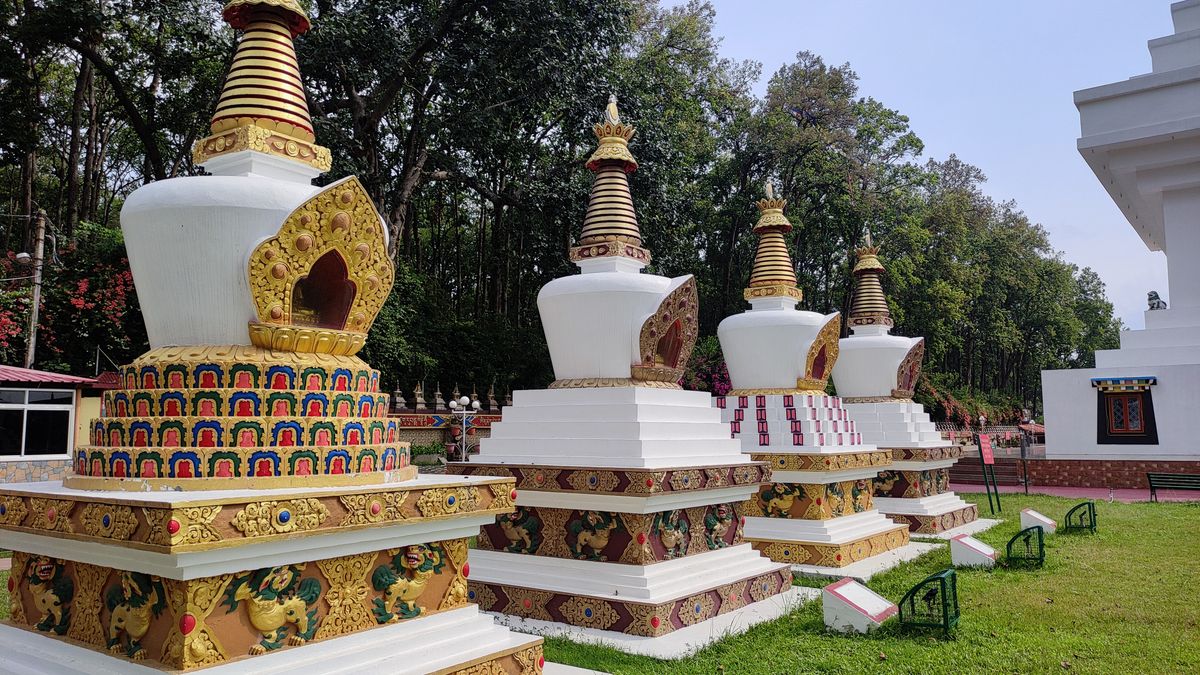
Ramu is a small town, not a resort, and the monasteries sit among ordinary shops and houses rather than behind visitor gates. The best-known site is the Buddhist temple complex near Ramu Central Sima premises, with the older, quieter monasteries set slightly off the main road. Expect a modest entry arrangement at the main complex and donations welcome at smaller viharas; keep small notes to hand. Women should carry a scarf or shawl, and everyone should wear trousers or a skirt below the knee and a top that covers the shoulders. Shoes come off at every shrine threshold, so sandals you can slip on and off are the practical choice.
What Etiquette Actually Looks Like Inside
The monks and resident families at Ramu are used to visitors but not to being treated as an exhibit. Walk clockwise around stupas and prayer halls, keep voices low, and do not touch images, relics or the robes of anyone ordained. If a monk is chanting or a small ceremony is under way, wait at the edge of the courtyard until it finishes rather than walking through the middle. Sitting cross-legged on the floor is normal; pointing your feet at a Buddha image or at a monk is not. A short, quiet bow with palms together is a respectful greeting, and asking before you photograph people is expected rather than optional.
Photography is the point where most day-trippers slip up. Wide shots of the temple grounds are generally fine, but flash is intrusive during prayers and drone use is restricted across Bangladesh without a permit. Do not photograph monks' living quarters or children without a clear yes. If you want a portrait, ask, show the image, and accept a refusal without pressing. Many visitors combine Ramu with a stop at the nearby Nate'swar or the older temple mounds along the road, but keep the trip short — two to three hours on site is enough to see the main complex properly without tiring in the humidity. Skip the roadside souvenir stalls; they add nothing and slow the return drive.
Where to Base Yourself and What to Skip
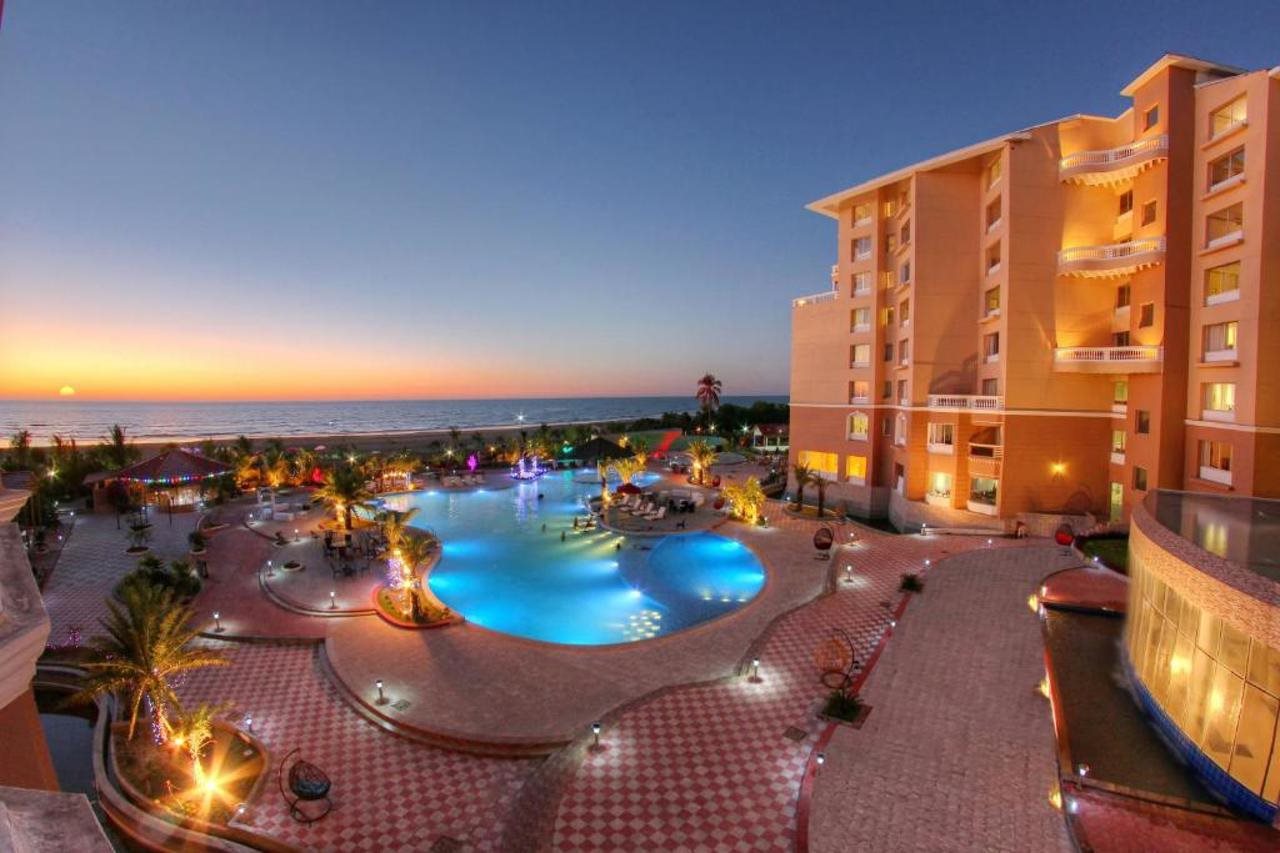
For this trip, base yourself in Cox's Bāzār town rather than in Ramu itself, which has only very basic guesthouse accommodation and little for an evening. Beach-road hotels in Kolatoli, Sugandha and the quieter northern stretch near the Bakkhali river mouth give you easy road access to the Ramu highway and a choice of restaurants afterwards. A mid-range beach hotel with air conditioning is the sensible booking in this climate; rates run in the low-to-mid thousands of taka per night depending on season, and weekend demand from Dhaka pushes them up sharply on Fridays and Saturdays. Book ahead for those nights rather than arriving and haggling.
Skip Himchari and Inani on the same day as Ramu — the drives are in opposite directions and you will spend the afternoon in a vehicle. Do not book a hotel promising a 'temple view'; none in Cox's Bāzār has one, and the claim usually signals a property on the highway rather than the beach. If your stay falls on a Buddhist festival day, the Ramu complex is busier and more atmospheric, but the roads are slower. I would book two nights on the beach road and give Ramu one unhurried morning, leaving the rest for the coast itself.
Questions, answered
Hotels in Cox’s Bazar
See all stays →Curated picks are coming — meanwhile, the live search covers every bookable property at the same price or better.