Estuary and beach-edge birds south of town
The most reliable birding within the town boundary is along the Bakkhali river mouth and the estuary flats where it meets the Bay of Bengal, near the fish landing ghats at Nuniarchar and the Kalatali end of the beach. Early morning, roughly an hour after first light and before the fishing boats return in numbers, the exposed mud and shallow water hold common sandpipers, whimbrels, little egrets, intermediate egrets, and both collared and common kingfishers. Winter, November to February, is when the flats are busiest with waders. A scope helps, but an 8x42 binocular is enough along the waterline.
Walk the beach south from Kolatoli toward Himchari and you trade open sand for a low ridge of casuarina and screw pine. That edge is good for white-throated kingfisher, Indian roller, black drongo, brown shrike in winter, and the inevitable red-wattled lapwing on the grassy patches behind the sand. The stretch is roughly 8 km from town, and a CNG or a hired car takes 20 to 30 minutes depending on traffic near Sugandha beach point. Go on foot only as far as you can comfortably return before the sun climbs.
The Kalatoli area has plenty of hotels and guesthouses, but for an early start around the Bakkhali you are better placed in the middle of town. A room at a mid-range hotel near the main road puts you 10 to 15 minutes from the fish ghats, and the front desk can arrange a car for a pre-dawn departure. I would look for a hotel with an early breakfast or a packed option, because most restaurants near the beach open late and the best birding hour happens before that. That one arrangement makes the first morning far less rushed.
Himchari, Inani and the forest edge
Himchari National Park, about 8 km south of Kolatoli on the well-made Marine Drive road, is the closest thing to woodland birding from town. The park's shaded paths, bamboo and mixed evergreen cover hold racket-tailed drongo, greater coucal, crimson sunbird, several bulbuls and, with luck, a trogon on quiet trails. The entry gate is easy to find, and the walk from there is gentle. Mornings between December and March are the most productive; by 10 am the light is harsh and the bird activity drops off. Carry water, wear closed shoes and keep to the marked paths.
Inani, around 25 to 30 km further south along Marine Drive, feels noticeably quieter than Kolatoli, and the combination of beach, lagoon and hill forest edge gives you three habitats in one morning. Expect the usual coastal mix plus raptors soaring over the ridge and bee-eaters over open ground. The drive from town takes around 45 to 60 minutes. I would book an Inani side trip as a half day rather than an overnight unless you specifically want the quiet, because facilities are thinner and the return drive in the afternoon heat is tiring.
On the road south, stop where Marine Drive runs close to the shore and scan the rocky points. These small outcrops between Himchari and Inani are productive for wagtails, pipits and the occasional reef egret, and they are easy to work in 20 minutes. You do not need a guide for them, but a driver who knows the pull-offs saves a lot of guesswork. If you are staying in town, booking a car for the whole morning costs less than taking separate rides, and it lets you move with the tide rather than to a fixed timetable.
Where you sleep matters more than you might think. Traffic on the main Cox's Bazar–Teknaf road and on Marine Drive builds through the morning, so a hotel in town close to the Kolatoli junction gets you onto the southbound road before the coaches do. Beachfront properties are pleasant but the walk back from the road adds time to a dawn start. For a three-night birding-focused stay I would book two nights in town and one near Inani, which balances convenience with a quiet morning.
Practical timing, tides and what to carry
Tides decide your morning more than your schedule does. On the Bakkhali flats you want the falling tide, when mud is exposed and feeding birds are concentrated, and an hour either side of low water is the sweet spot. Check a local tide table or ask your hotel the evening before. The winter months, November through February, bring the most migrants; March is still good but warmer, and by April the heat and pre-monsoon humidity make long walks unpleasant. Avoid the midday hours entirely, for your own comfort as much as the birds'.
Carry binoculars, a hat, sunscreen and more water than feels necessary. Repellent is wise around Himchari's shaded paths. Dress modestly in the villages and at the fish ghats, and ask before photographing people at work. Local fishermen are generally friendly and often point out where birds are feeding. Keep a respectful distance from nesting areas and never flush a flock to get closer. A small notebook for species and time is more useful than trying to photograph everything, and it slows you down in a way that helps you see more.
Getting around is straightforward: CNG auto-rickshaws for short hops, and a hired car with a driver for the Himchari and Inani run. Bengali is the working language, so have your hotel write place names in Bengali for the driver. Mobile coverage is good along the main roads and patchier at the forest edges. There is no need to book a specialist guide for the town and Himchari spots, but a driver who knows the pull-offs on Marine Drive is genuinely useful and easy to arrange at the front desk.
Where to base yourself
For a birdwatching-first trip, base yourself centrally near Kolatoli or the main road rather than at the far northern end of the beach. Central Cox's Bazar puts you 10 to 15 minutes from the Bakkhali ghats, 20 to 30 minutes from Himchari, and within walking distance of restaurants and the market. That matters more than a sea view when you are leaving at 5:30 am. Reserve the beachfront splurge for the last night, when you have finished your early starts and can enjoy the sea without a dawn alarm.
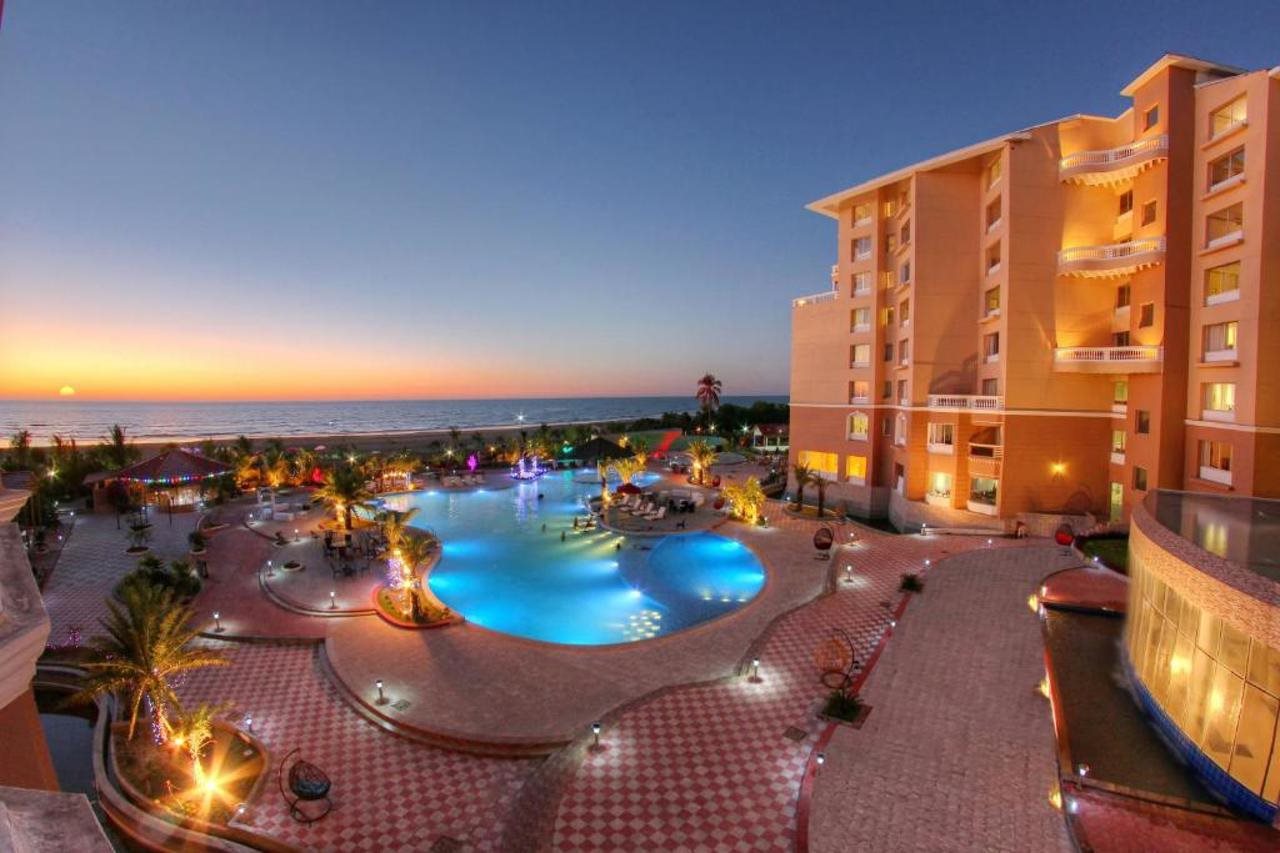
Book ahead for the peak winter weekends and during public holidays, when rooms in Cox's Bazar fill quickly and rates climb. Weekdays in January and February are calmer and better value. If you are travelling with a non-birding companion, choose a hotel with a pool or a good breakfast and plan their morning around that while you are on the flats. A two- or three-night stay is enough to cover the estuary, Himchari and Inani comfortably without rushing, and it leaves an afternoon for the beach itself.
Questions, answered
Hotels in Cox’s Bazar
See all stays →Curated picks are coming — meanwhile, the live search covers every bookable property at the same price or better.