Setting out from Kolatoli Point
Start at Kolatoli Point, the seawall end of the beach where the main road from Chittagong arrives and the Hotel Motel Zone begins. The sand here is wide and firm at low tide, and the walk north-east toward Sugandha runs about five kilometres, taking ninety minutes at an easy pace with stops. Go in the two hours after sunrise or from about four in the afternoon; between eleven and three the sand burns and shade is scarce. November to February is the comfortable window, March and April get hazy and hot, and the monsoon months from June to September bring rough surf that makes the water unsafe.
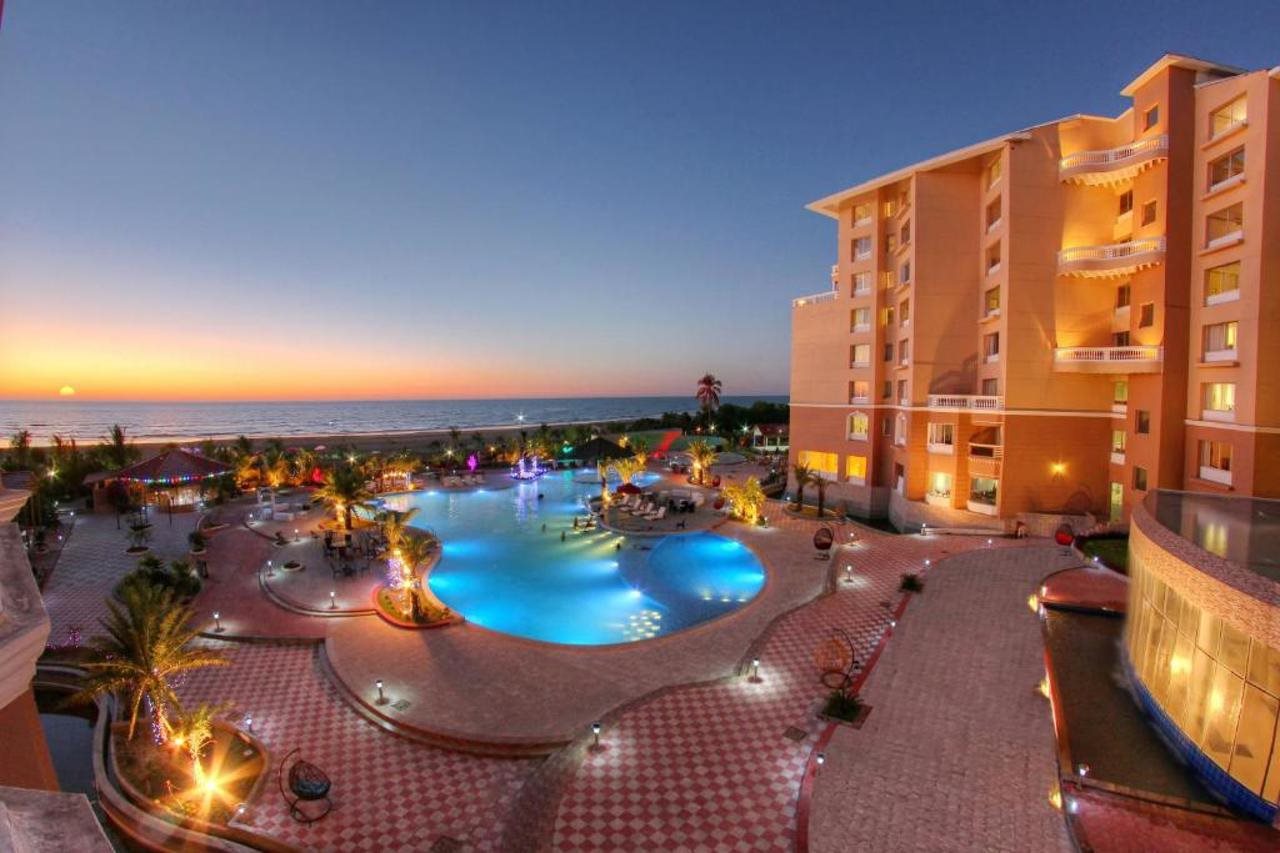
Kolatoli is where most visitors stay, and it is the practical base for this walk. The Hotel Motel Zone behind the beach holds the densest cluster of rooms in the region, from simple guesthouses a few streets back up to mid-range hotels with sea-view balconies, and rates swing widely between winter peak and the quiet months. Book a room within walking distance of the beach rather than across the main road; the difference in morning convenience is worth more than the small saving.
The middle stretch and Laboni Point
Heading north-east you pass Laboni Point, roughly a kilometre along, where the beach narrows and the local food stalls and pony carts cluster. This is the busiest section and the one to move through rather than linger in. Keep to the firmer sand near the waterline, where footing is better and the crowds thinner. If you want a swim, the safer stretches are where the lifeguard flags and the local advice point, and you should stay close to shore; the undertow along this coast is stronger than it looks, and the beach shelves steeply in places.
Beyond Laboni the sand opens out again toward Sugandha, and this is the quietest and most pleasant part of the route. Fewer vendors, more space, and the line of casuarina trees behind the beach gives shade for a rest. Carry water, a hat and cash in small notes; there are no reliable ATMs directly on the sand, and the nearest ones sit back along the main road. Toilets and changing facilities are limited, so plan around your hotel before you set out.
Reaching Sugandha and getting back
Sugandha sits at the northern end of this stretch, near the Sea Beach Police Station and the quieter end of the Hotel Motel Zone. The beach here is broader and less developed, which makes it a good place to finish with a sit-down meal at one of the small restaurants set back from the sand. From Sugandha you can walk back the way you came, or take a short CNG auto-rickshaw ride south along the main road to Kolatoli, which takes about ten minutes depending on traffic. Agree the fare before you get in.
If you would rather walk one way only, start at Sugandha in the early morning and finish at Kolatoli, where breakfast and your room are close at hand. Either direction works, but the light is better for photographs walking north-east in the morning and south-west in the late afternoon. Skip the pony and horse rides on the crowded middle section if you are walking for exercise; the animals work hard in the heat and the traffic on the sand is heavy. For a calmer coastal walk, the stretch beyond Sugandha toward Himchari, reached by a short ride, is worth a separate morning.
Where to stay for this walk
For this route I would book in Kolatoli, within two or three streets of the beach, and treat Sugandha as the destination rather than the base. Kolatoli gives you the widest choice of rooms, the easiest access to the main road for buses and CNG, and the shortest walk to the sand at first light. Sugandha suits travellers who want quiet and are happy to ride ten minutes for restaurants and shops. In winter peak, book a week or more ahead; in the low season, rooms are easy to find on arrival, though you should check the surf conditions before planning any swim.
Ask for a room on an upper floor facing the sea, and confirm that the hotel has a generator, since power cuts are common in the region. Hotels along the Hotel Motel Zone range from basic fan rooms to air-conditioned doubles with balconies; compare a few before you commit, and read recent guest comments rather than glossy photos. Keep your booking dates flexible if you travel in the monsoon, when heavy rain can close the beach and disrupt road links back to Chittagong.
Questions, answered
Hotels in Cox’s Bazar
See all stays →Curated picks are coming — meanwhile, the live search covers every bookable property at the same price or better.